
Internet voting is insecure and should not be used in public elections
Internet voting is insecure and should not be used in public elections
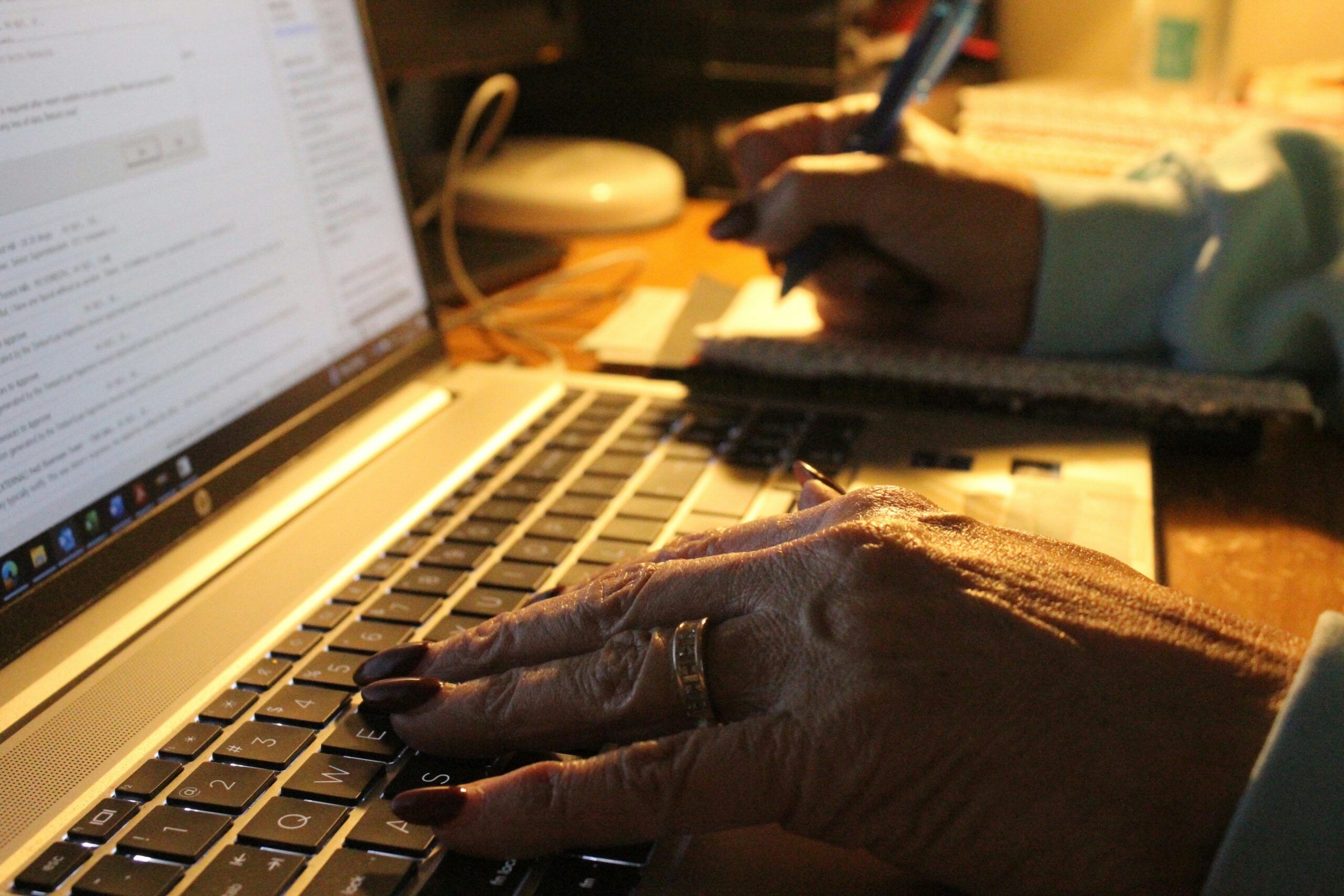
### Clicks, Code, and Chaos: The Case Against Internet Voting
In an age where we can manage our finances, order groceries, and connect with people across the globe from a device in our pocket, the idea of voting online seems like a natural and inevitable evolution. Proponents paint a picture of increased accessibility, higher voter turnout, and a modern democratic process. But beneath this glossy veneer of convenience lies a minefield of security risks so profound that they threaten the very integrity of our elections. Internet voting, in its current form, is a gamble we simply cannot afford to take with our democracy.
The fundamental problem with online voting is the vast and uncontrollable environment in which it operates. A traditional election is a highly controlled process. We use specific machines, secured ballots, and verified polling locations, all overseen by election officials. When you cast a vote online, you do so from your personal computer or smartphone—a device that is part of a global network teeming with malware, viruses, and malicious actors.
**The Unsecurable Ballot Box**
The first major hurdle is client-side security. How can we guarantee that the voter’s own device is secure? A computer infected with malware could silently change a vote after the user clicks “submit,” without giving any indication that the ballot has been tampered with. The vote received by the central server would not be the vote that was intended. Securing the millions of unique, privately-owned devices used by the electorate is a logistical and technical impossibility. We cannot dispatch an IT team to every voter’s home to ensure their laptop is clean.
Then there is the server-side threat. The central servers that collect and tabulate votes become a massive, high-value target for hackers, both domestic and foreign. A successful denial-of-service (DDoS) attack could prevent thousands from voting. A more sophisticated breach could alter vote totals wholesale, potentially swinging an entire election with a few keystrokes. While election websites are often targets, an internet voting system elevates the stakes from simple disruption to direct manipulation of the democratic outcome.
**The Secrecy vs. Verifiability Paradox**
One of the cornerstones of a free election is the secret ballot. This ensures voters cannot be coerced or intimidated. Another is verifiability—the ability to conduct a meaningful audit to confirm the results are accurate. Internet voting makes these two principles almost mutually exclusive.
To ensure a vote is legitimate, the system must authenticate that you are who you say you are. But to ensure secrecy, the system must then forget who you are once your ballot is cast. This digital link, however brief, is a vulnerability. More importantly, it destroys our ability to audit. With paper ballots, we have a physical, voter-verified record. We can recount them by hand. If there’s a discrepancy, we have the original artifacts to inspect.
In a purely digital system, what is there to recount? The bits and bytes on a server? Re-running the same potentially compromised software on the same potentially compromised data is not an audit; it’s an exercise in futility. It’s asking the system to grade its own homework. Without a voter-verifiable paper trail, we lose the ability to prove an election was free and fair. We are forced to blindly trust that the software worked as intended and was not manipulated.
**The Human Element**
Beyond the technical flaws, internet voting re-introduces the age-old problems of vote buying and coercion. The privacy of the voting booth is a physical defense against these threats. It’s difficult for a bad actor to confirm how you voted. When you vote from your living room, that defense vanishes. An abusive spouse, an overbearing boss, or someone who has paid for your vote can simply watch over your shoulder to ensure you vote their way.
While advocates often point to Estonia as a success story, even their system has been flagged by cybersecurity experts for significant vulnerabilities. Furthermore, Estonia is a small, tech-forward nation with a universal digital ID system—a context that doesn’t easily translate to larger, more diverse countries.
The convenience of casting a ballot from our couch is a tempting proposition. But the risks are too severe. The integrity of an election must be paramount, and that requires a system that is transparent, secure, and auditable. Until the day comes when technology can definitively solve the challenges of malware, server security, and the secrecy-verifiability paradox, our votes belong on paper, not on the internet. The stakes are simply too high to click “submit” on our democracy.