
Munich court rules ChatGPT broke copyright law by training on lyrics
Munich court rules ChatGPT broke copyright law by training on lyrics
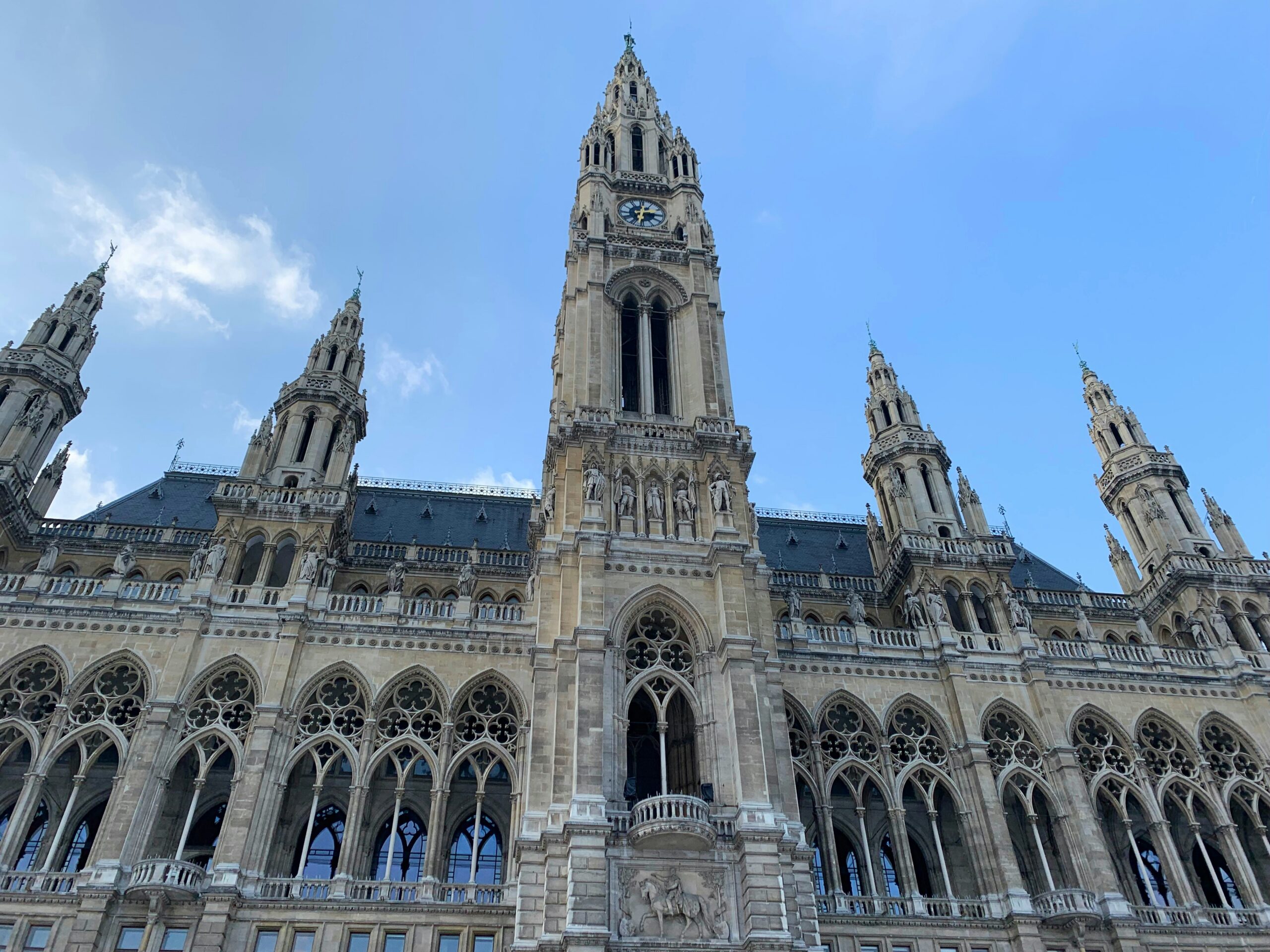
### AI on Trial: Unpacking the Copyright Clash Over Song Lyrics in Germany
A significant legal tremor is shaking the world of artificial intelligence, centered on the heated debate over copyright and training data. Reports and discussions have been swirling around a potential landmark case in Germany, specifically a Munich court ruling on whether OpenAI’s ChatGPT violated copyright law by training its models on protected song lyrics. While the specifics of a final judgment are a matter of intense legal scrutiny and ongoing proceedings, the core of the conflict highlights a critical battleground for the future of AI.
At the heart of the issue is a fundamental question: does using copyrighted material, like the vast digital library of the world’s song lyrics, to train a commercial AI model constitute copyright infringement?
From the perspective of rights holders, the answer is a resounding yes. Organizations like GEMA, Germany’s influential performance rights society, argue that this process involves the mass-scale copying and ingestion of protected works without a license or compensation. They contend that AI companies are building multi-billion dollar enterprises on the back of creative works they did not pay for. The AI’s ability to then generate new lyrics, answer questions about song meanings, or even complete verses is seen as a direct derivative of this unauthorized use, creating a product that can compete with the original creators.
Under German and broader EU law, copyright (*Urheberrecht*) is a robust right that protects creators. The legal framework does include exceptions for Text and Data Mining (TDM), but a fierce debate rages on whether these exceptions apply to training large-scale commercial models like ChatGPT. Many legal experts argue the TDM exceptions were designed for scientific research and non-commercial purposes, not for creating a proprietary, for-profit product. The act of scraping and processing data on such a scale, they claim, far exceeds the scope of these limited exceptions.
On the other side of the courtroom, tech companies and AI developers present a different view. They argue that the training process is not equivalent to traditional copying for distribution. Instead, they frame it as a form of analysis, where the AI learns patterns, structures, and relationships from the data. The goal is not to memorize and reproduce the lyrics verbatim, but to understand the mechanics of language, rhyme, and meter. They posit that this use is transformative, similar to how a human artist learns by studying the works of masters before creating something new and original.
The legal proceedings in Munich are being watched globally because a definitive ruling could set a powerful precedent. If a court establishes that training on copyrighted data without a license is infringement, it could force AI companies to fundamentally re-evaluate their training methods. This could lead to a future where AI developers must retroactively license vast catalogs of data or purge their models of any infringing material—a task that may be technically impossible.
Conversely, a ruling in favor of AI companies would embolden the current approach, solidifying the idea that training data falls under a modern interpretation of fair use or TDM exceptions. This would accelerate AI development but leave many creators feeling that their work has been devalued and exploited.
As it stands, the legal battle is far from over. The Munich case represents not just a dispute over song lyrics, but a foundational struggle to define the boundaries of intellectual property in the age of generative artificial intelligence. The outcome will shape the relationship between human creativity and machine learning for decades to come.