
How Labs Conducts Keyboard Testing
How Labs Conducts Keyboard Testing
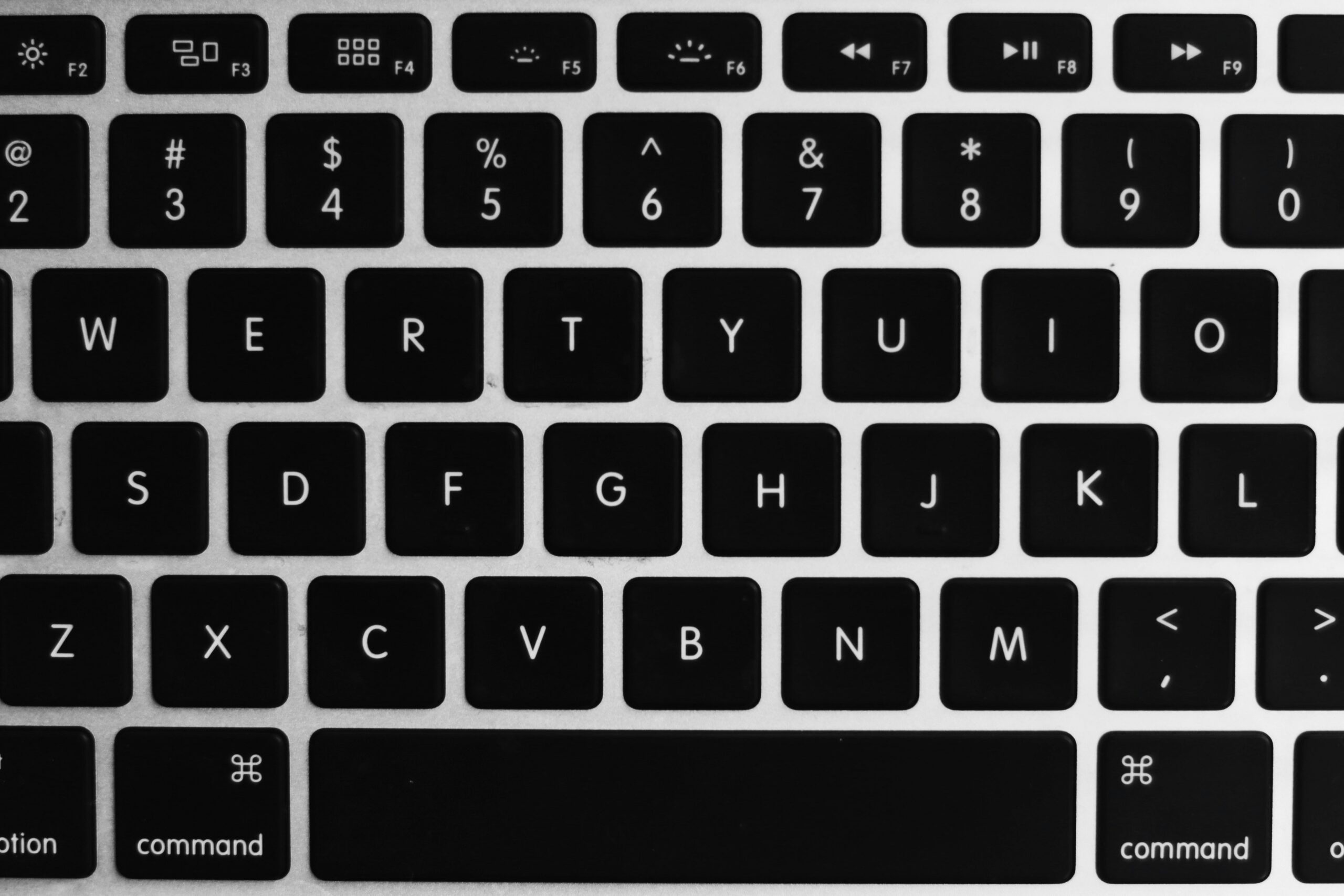
### Behind the Clicks: A Deep Dive into Professional Keyboard Testing
Ever wondered what separates a $20 budget keyboard from a $200 enthusiast-grade mechanical marvel? While marketing plays a part, the real difference is revealed through rigorous, scientific testing conducted in professional labs. This isn’t just about a reviewer typing a paragraph and saying, “it feels good.” It’s a meticulous process designed to quantify every aspect of a keyboard’s performance, durability, and user experience. Let’s pull back the curtain and see how the pros put keyboards through their paces.
#### The Durability Gauntlet
A keyboard’s primary job is to endure millions of keystrokes. Labs test this promise with machines built for one purpose: relentless typing.
* **Switch Actuation Robots:** The centerpiece of durability testing is the actuation machine. A robotic arm or a set of pistons repeatedly presses individual keys—or a group of keys—millions of times to simulate years of heavy use. Testers monitor these machines to see if a switch fails before its advertised lifespan (e.g., 50 million clicks). They also check for changes in feel or consistency over time.
* **Keycap Legend Wear:** Faded keycaps are a common annoyance. To test this, labs use an abrasion machine that rubs the keycaps with a standardized material (like a specific fabric or eraser) under consistent pressure. This simulates the friction from fingers over thousands of hours to see how long the letters and symbols remain legible.
* **Chassis Flex and Torsion:** A keyboard’s sturdiness is crucial. Testers apply a specific amount of force to the center and ends of the keyboard, measuring how much the frame bends or twists. A well-built keyboard will exhibit minimal flex, providing a more solid and stable typing platform.
#### Performance Under Pressure
For gamers, programmers, and fast typists, split-second performance is everything. Labs use specialized tools to measure the data that makes or breaks a high-performance keyboard.
* **Latency Testing:** This is one of the most critical tests. Latency is the delay between pressing a key and the computer registering that keystroke. Labs use high-speed cameras synchronized with custom software or an oscilloscope to measure this delay down to the millisecond. A physical sensor on the key detects the press, and the software records when the signal arrives, giving a precise latency figure. Lower is always better.
* **N-Key Rollover (NKRO):** Have you ever tried to press multiple keys at once, only for some to not register? That’s a limitation of key rollover. Labs test this by using software that visualizes every key being pressed. A tester will then press as many keys as possible simultaneously. A keyboard with true N-Key Rollover will register every single key, while others might be limited to 6-Key Rollover or less.
#### The Science of Feel and Sound
While “feel” is subjective, labs do their best to turn it into objective data.
* **Force Curve Analysis:** A specialized machine presses a key and measures the exact amount of force required throughout its entire travel distance—from the initial press, to the actuation point (where the keystroke registers), to bottoming out. This generates a “force curve” graph, which visually represents how a switch feels. Is it linear with a smooth press? Tactile with a noticeable bump? Or clicky with an audible snap?
* **Acoustic Analysis:** To objectively measure a keyboard’s sound, it’s placed in a sound-dampened chamber or anechoic room. High-quality microphones record the sound of typing, which is then analyzed. Testers can measure the decibel level (loudness) and the frequency of the sound to accurately describe whether a keyboard is a quiet “thock” or a high-pitched “clack.”
#### The Complete User Experience
Beyond the core mechanics, labs scrutinize every other feature that contributes to the overall experience.
* **Backlighting Quality:** It’s not enough to just have RGB lighting. Testers use a light meter (luminometer) to measure the brightness and, more importantly, the evenness of the backlight across the entire keyboard. They also use a colorimeter to check the color accuracy and the quality of the white balance.
* **Software and Programmability:** If a keyboard comes with companion software, it gets a thorough evaluation. Testers assess the software’s user-friendliness, the ease of remapping keys, the power of its macro editor, and its overall stability and resource consumption on the host computer.
* **Ergonomics and Build:** Finally, the physical design is examined. This includes measuring the typing angle with and without the feet extended, evaluating the comfort and material of any included wrist rest, and identifying the materials used in construction—from the type of plastic (durable PBT vs. shine-prone ABS) to the use of an aluminum top plate for rigidity.