
First, make me care
First, make me care
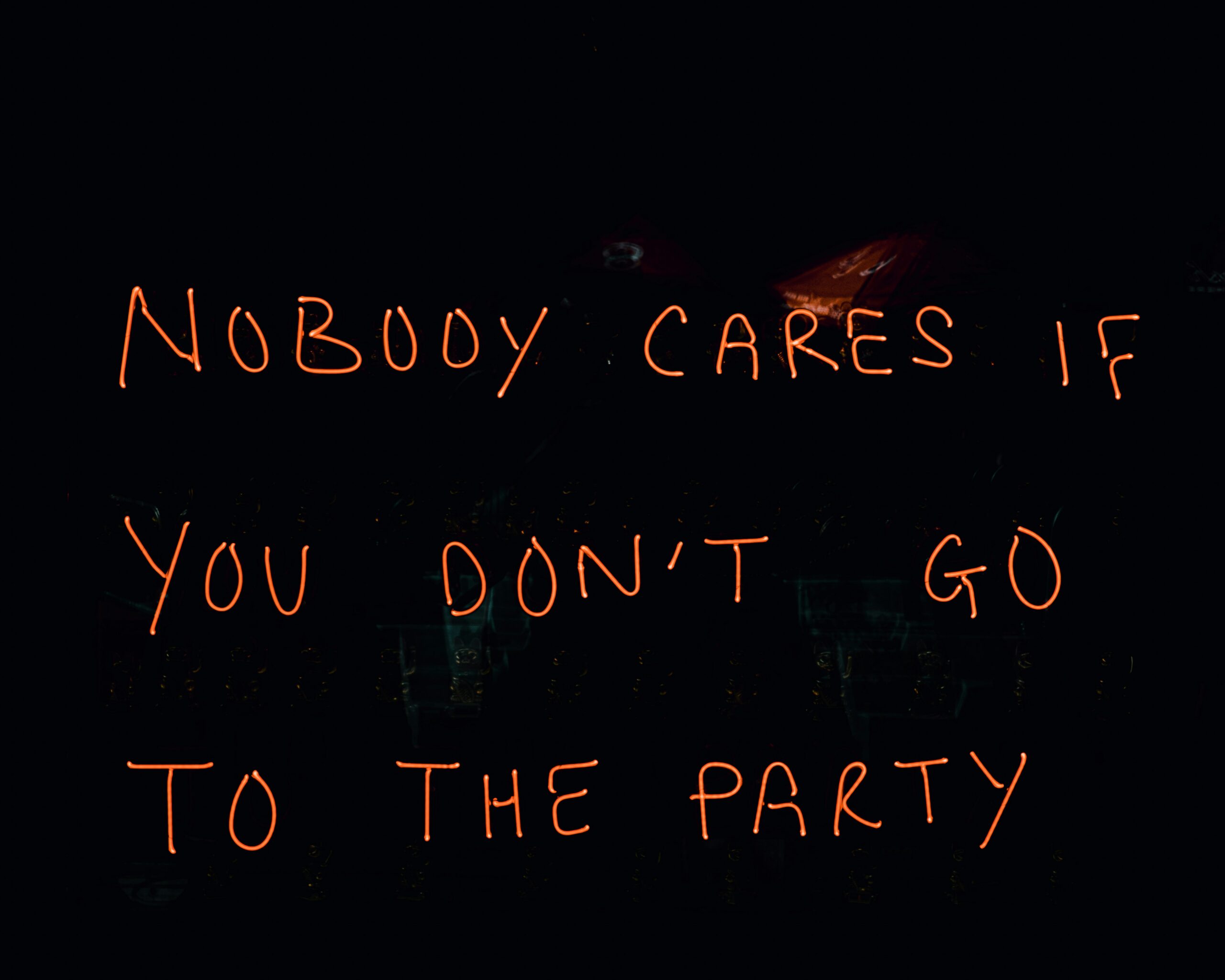
### First, Make Me Care
It’s the silent mantra of every audience, the unspoken demand of every customer, and the fundamental challenge facing anyone with something to say, sell, or share. Before you list your features, before you detail your data, before you lay out your perfectly structured argument, you must pass through a single, formidable gate. At that gate stands a guard, and their one and only password is: “First, make me care.”
We live in an economy of attention, and our reserves are constantly being depleted. We’re bombarded by a thousand different messages a minute, each vying for a sliver of our cognitive real estate. Our default response to this onslaught is a shield of indifference. We’ve become experts at tuning out the noise. To penetrate that shield, you can’t just be loud; you have to be relevant.
“Make me care” is not a request for emotional manipulation. It’s a plea for connection. It’s the audience asking, “What does this have to do with me? How will this solve my problem, enrich my life, or speak to my fears and aspirations?” It’s the human need for a “why” before we invest in a “what.”
Consider the difference:
* **Failure:** A company presentation that opens with a 10-minute history of its founding in 1983.
* **Success:** A presentation that opens with, “In the next 10 minutes, I’m going to show you how to get back five hours of your work week.”
* **Failure:** A non-profit asking for donations by listing statistics about a global problem.
* **Success:** A non-profit telling the story of one single person whose life was changed by a small donation.
* **Failure:** A movie trailer that just shows a series of disconnected explosions.
* **Success:** A movie trailer that introduces a character we like and then puts them in an impossible situation.
The successful examples don’t just present information; they frame it around a core human driver. They understand that logic and data are passengers, but emotion is the pilot. We process the world through stories, problems, and the promise of a resolution.
So, how do you do it? How do you make them care?
**1. Start with Empathy, Not Your Ego.** Stop thinking about what you want to say and start thinking about what your audience needs to hear. What keeps them up at night? What are their secret hopes? What frustrates them daily? Frame your message as a solution to *their* problem, not as a monument to your brilliance.
**2. Lead with the “Why.”** As Simon Sinek famously articulated, people don’t buy what you do; they buy why you do it. The “why” is the emotional core. It’s the belief, the purpose, the story. Lead with the problem you solve or the vision you serve. The technical specifications and the feature list can come later, but only after you’ve established a reason to listen.
**3. Show, Don’t Just Tell.** Telling is listing facts: “Our software is efficient and innovative.” Showing is painting a picture: “Imagine finishing your monthly reports by lunchtime on the first of the month, every month, without a single error.” One is forgettable data; the other is a desirable future state.
**4. Make it About Them.** Use the word “you” more than you use the word “we.” Your message should feel like a conversation directed at the individual, not a broadcast to a faceless crowd. Address their world, their challenges, and their potential.
In a world saturated with content and starved for meaning, “First, make me care” isn’t a suggestion—it’s the price of admission. It’s the invisible contract between the creator and the consumer, the speaker and the listener. Before you ask for their time, their money, or their belief, you must first earn their attention. And you do that by answering their silent, relentless plea.