
Did Google’s December Update Change Pixel Devices’ GPU Performance?
Did Google’s December Update Change Pixel Devices’ GPU Performance?
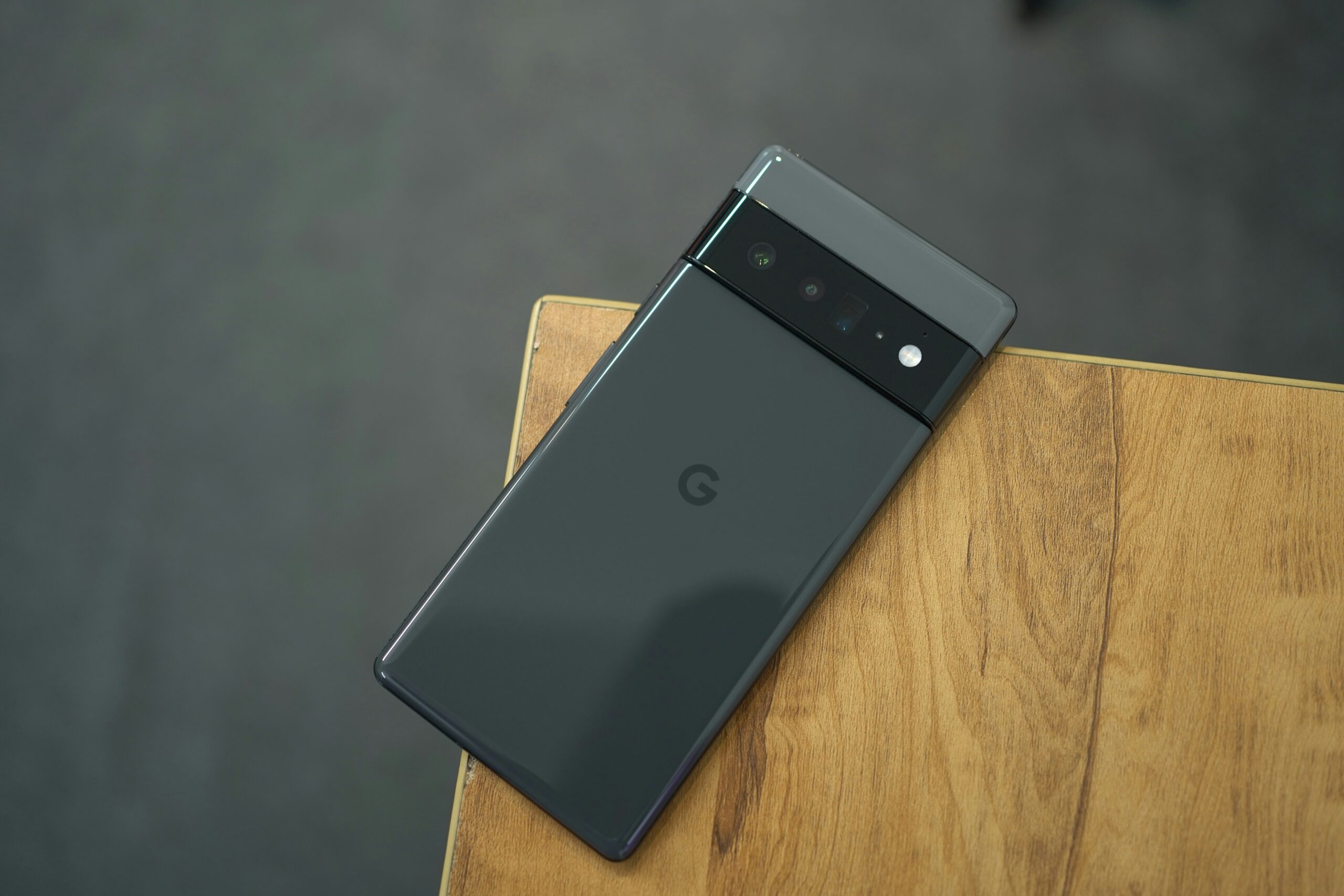
### Unlocking Hidden Power: How Google’s December Update Boosted Pixel GPU Performance
When we think of smartphone updates, we typically expect bug fixes, security patches, and the occasional new feature. It’s rare for a monthly update to fundamentally change the performance profile of a device. However, Google’s December 2023 Feature Drop did just that, delivering a significant and widely welcomed surprise for Pixel owners: a major boost in GPU performance.
For users of the Pixel 8 and Pixel 8 Pro, and even owners of previous Tensor-powered models, this wasn’t just a minor tweak. It was a substantial upgrade that addressed one of the key criticisms of Google’s in-house silicon. So, what exactly happened, and what does it mean for your device?
#### The Change Under the Hood: A Major Driver Update
The core of the performance enhancement lies in a significant update to the GPU drivers. The software that acts as the translator between your phone’s operating system and its graphics processing unit (GPU) received a major overhaul.
For the Pixel 8 and Pixel 8 Pro, powered by the Tensor G3 chip, the GPU driver version jumped from r38p1 to r44p1. To anyone unfamiliar with software versioning, that might not sound like much, but a jump of six major versions is a massive leap. This isn’t a simple patch; it represents a fundamental rewrite and optimization of how the system utilizes the ARM Immortalis-G715s MC10 GPU. This update effectively unlocked potential that was previously left on the table.
#### From Benchmarks to Better Gaming
The immediate impact was first noticed by tech enthusiasts running synthetic benchmark tests. In GPU-intensive tests like 3DMark’s Wild Life Extreme, some users reported performance gains of 30% or even higher. These numbers confirmed that the update wasn’t just a placebo effect—it was a real, measurable improvement.
But benchmarks don’t always tell the whole story. The real question is whether this translates to a better real-world experience. The answer from the community has been a resounding yes.
Gamers, in particular, have noted the difference. Demanding titles that previously exhibited stutters or required lower graphics settings now run more smoothly on the Pixel 8 and 8 Pro. Games like *Genshin Impact*, *Fortnite*, and *Call of Duty: Mobile* benefit from more stable frame rates and an overall more fluid experience. This update has put the Tensor G3’s gaming capabilities much closer to its competitors from Qualcomm and Apple, addressing a gap that was apparent at launch.
#### Who Benefited from the Update?
While the most dramatic improvements were seen on the flagship Pixel 8 series, owners of older devices were not left out. The December update also brought new GPU drivers to the Pixel 6 and Pixel 7 series, which run on the first and second-generation Tensor chips, respectively. While the performance uplift may not be as pronounced as on the newer hardware, these devices also received optimizations that contribute to a smoother graphical experience.
#### The Verdict
Did Google’s December update change Pixel devices’ GPU performance? Absolutely. It was arguably one of the most significant performance-related software updates Google has ever pushed to its phones post-launch. By shipping a heavily optimized GPU driver, Google didn’t just fix bugs; it elevated the baseline capability of its hardware. This move demonstrates a commitment to refining the Tensor platform and shows that the hardware’s full potential isn’t always realized on day one. For Pixel owners, it was a welcome holiday surprise that made their phones significantly better at handling graphics-heavy tasks and games.