
Did Google’s December Update Change Pixel Devices’ GPU Performance?
Did Google’s December Update Change Pixel Devices’ GPU Performance?
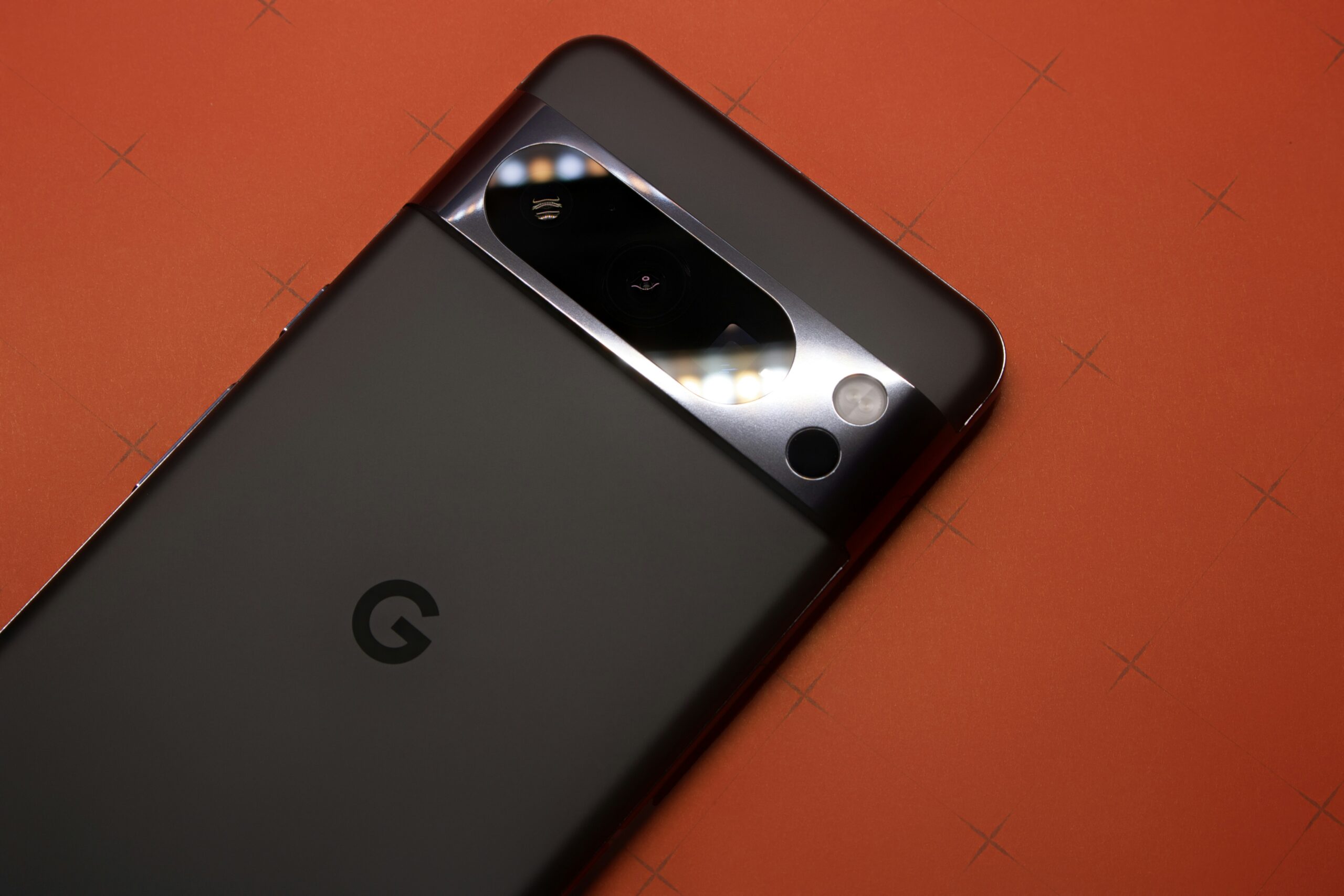
## Unlocking Power: Did Google’s December Update Change Pixel Devices’ GPU Performance?
When Google rolls out its quarterly Pixel Feature Drops, users typically look for new camera tricks, handy AI features, or fresh customization options. The December 2023 update, however, delivered a powerful surprise that wasn’t on the official changelog but was quickly noticed by tech enthusiasts and gamers: a significant boost in GPU performance.
So, did the December update actually make your Pixel faster? For many users, particularly those with the latest Tensor G3-powered Pixel 8 and Pixel 8 Pro, the answer is a resounding yes.
### The Secret Under the Hood: A Massive Driver Update
The core of this performance uplift wasn’t a tweak or a minor optimization—it was a full-blown GPU driver update. For the uninitiated, a driver is the crucial piece of software that allows the phone’s operating system (Android) to communicate effectively with the hardware (the GPU, or Graphics Processing Unit). Better drivers can unlock more performance, fix bugs, and improve efficiency, much like updating the graphics card drivers on a gaming PC.
Before the December update, the Pixel 8 series was reportedly running on a relatively old ARM Mali GPU driver (version r38p1, dating back to 2022). This was a point of confusion for many, as the new Tensor G3 chip was being held back by outdated software.
The December 2023 update, built on Android 14 QPR1, made a massive leap forward, shipping a much newer driver (version r44p1 from mid-2023). This jump of six major revisions is significant and brought with it a year’s worth of optimizations, bug fixes, and performance enhancements directly from ARM, the designer of the Mali GPU.
### What Does This Mean in the Real World?
While technical version numbers are interesting, what users truly care about is tangible improvement. Here’s where the update made a noticeable difference:
**1. A Smoother Gaming Experience:**
This is the most significant area of improvement. Demanding games that previously struggled to maintain a consistent frame rate saw immediate and noticeable gains. Users on forums like Reddit and analyses from tech YouTubers reported smoother gameplay in graphically intensive titles such as *Genshin Impact*, *Fortnite*, and *Call of Duty: Mobile*. The new driver allows the Tensor G3’s GPU to work more efficiently, reducing stuttering and increasing average frames-per-second (FPS), leading to a much more enjoyable gaming session.
**2. Higher Benchmark Scores:**
For those who trust the numbers, synthetic benchmarks confirmed the real-world findings. Post-update tests in GPU-focused benchmarks like 3DMark’s Wild Life Extreme showed a performance increase of 10-15% or even more in some cases. While benchmarks don’t always reflect everyday use, such a clear and consistent jump validates that a fundamental performance improvement has occurred.
**3. Improved UI Fluidity:**
While harder to quantify, a more powerful and efficient GPU can also contribute to a smoother overall user experience. Animations within the Android UI, scrolling through heavy web pages, and multitasking can feel more fluid as the GPU is better equipped to handle the rendering load without breaking a sweat.
### The Verdict
The evidence is clear: Google’s December 2023 update delivered a substantial and welcome GPU performance enhancement to its Tensor-powered Pixel devices. By finally updating the GPU driver to a modern version, Google unlocked a new level of potential from its own silicon, particularly for the Pixel 8 and Pixel 8 Pro.
If you’re a Pixel owner and a gamer, this update was one of the most important performance patches in recent memory. It’s a reminder that hardware is only one half of the equation; optimized software is what truly makes it shine.