
Are we about to pop the humanoid robot bubble?
Are we about to pop the humanoid robot bubble?
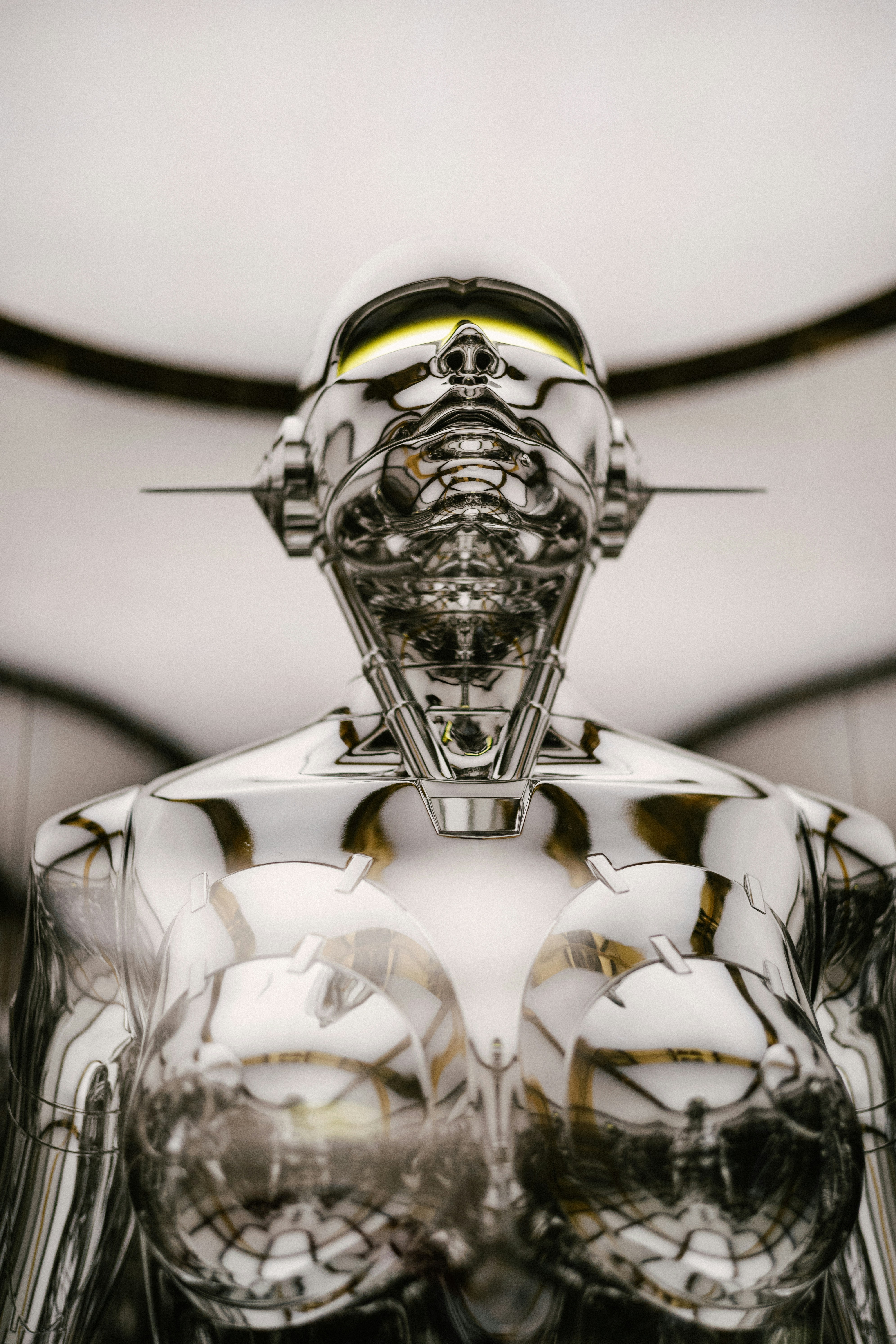
### Hype vs. Hardware: Is the Humanoid Robot Bubble About to Burst?
The videos are mesmerizing. A sleek, bipedal robot carefully makes a cup of coffee. Another strolls confidently through a factory, picking up totes and placing them on a conveyor belt. A third, Tesla’s Optimus, is shown delicately folding a shirt. The message is clear: the future of labor is here, and it looks remarkably human.
This vision has ignited a firestorm of investment. Companies like Figure AI have reached unicorn status with breathtaking speed, backed by a who’s-who of tech giants including Jeff Bezos, Microsoft, Nvidia, and OpenAI. Agility Robotics is deploying its robot, Digit, in Amazon warehouses. And nearly every week, it seems a new startup emerges with a dazzling demo and a nine-figure valuation.
The excitement is palpable. But amid the torrent of venture capital and viral videos, a critical question is beginning to surface: Are we witnessing a genuine technological revolution or the inflation of a massive, high-stakes bubble?
#### The Case for a Bubble
The arguments for a bubble are grounded in a healthy dose of engineering skepticism and historical precedent.
First, there’s the chasm between a controlled demo and real-world deployment. A robot performing a single, rehearsed task in a lab is a world away from one that can operate autonomously for an eight-hour shift in the chaotic, unpredictable environment of a warehouse or factory floor. Many of the most impressive demos are either partially teleoperated (a human is controlling the robot remotely) or the result of hundreds of meticulously programmed takes. The “general intelligence” required to adapt to novel situations on the fly remains a monumental challenge.
Second, the hardware is incredibly difficult. Creating joints, motors, and power systems that can withstand the rigors of daily, repetitive work without constant maintenance or failure is an unsolved engineering problem. Battery life is a constant bottleneck. A robot that needs to recharge for three hours after every four hours of work presents a logistical nightmare. The physical world is unforgiving, and the cost of building robust, reliable hardware at scale is astronomical.
Finally, there’s the question of economics. A humanoid robot is being sold as a “general purpose” machine, but is it the right tool for the job? For decades, automation has succeeded by creating specialized machines—robotic arms, automated guided vehicles (AGVs)—that do one thing exceptionally well and cheaply. A humanoid, by trying to do everything, may not be as efficient or cost-effective as its specialized counterparts for most tasks in the near term. The sky-high valuations are being built not on current revenue, but on a speculative future where these fundamental challenges have all been solved.
#### The Case for a Real Revolution
On the other side of the argument is the undeniable fact that something is different this time. This isn’t just a robotics story; it’s an AI story.
The recent explosion in AI, particularly with large language and vision models, is the critical catalyst. These models are giving robots a much more sophisticated understanding of the world and the ability to reason about and execute complex, multi-step tasks. Instead of being programmed line-by-line for a single action, they can be instructed with natural language: “Please pick up that box and put it on the shelf.” This convergence of advanced AI with increasingly capable hardware is what proponents believe makes this era different from past “AI winters.”
Furthermore, there is a powerful economic and demographic pull. Labor shortages are a real and growing problem in many developed nations. An aging workforce and a declining birth rate mean there are simply not enough people to fill essential jobs in logistics, manufacturing, and elder care. The demand for an automated solution is not manufactured; it’s an urgent economic necessity.
The key advantage of the humanoid form factor is that it’s designed for our world. We don’t need to redesign our factories, warehouses, or homes to accommodate it. It can walk up stairs, open doors, and use tools that were all built for humans. This adaptability is its long-term killer app, allowing it to be a flexible resource that can be deployed wherever a human can go, without costly infrastructure changes.
#### The Inevitable Correction
So, is it a bubble? The most likely answer is both yes and no.
We are almost certainly in a period of intense hype, characteristic of the “peak of inflated expectations” in any technology cycle. The valuations of some pre-revenue companies are difficult to justify based on today’s technology. A correction is not just possible; it’s inevitable. Some companies will fail. Investors will lose money. The media narrative will shift from breathless optimism to cynical doubt.
But a bubble bursting doesn’t mean the underlying technology is a failure. The dot-com crash of 2000 was a brutal financial reckoning, but it didn’t stop the internet from fundamentally reshaping society. That crash wiped out the pretenders and allowed the true builders like Amazon and Google to consolidate and grow.
We are likely headed for a similar “humanoid winter.” The journey from a stunning demo to a million profitable units working reliably in the real world is going to be longer, harder, and more expensive than many currently believe. But the underlying drivers—advances in AI, undeniable economic need, and the convergence of powerful technologies—are real. The bubble may pop, but the revolution will continue. The question isn’t *if* humanoid robots will become a transformative part of our economy, but who will be left standing after the hype subsides.