
Are we about to pop the humanoid robot bubble?
Are we about to pop the humanoid robot bubble?
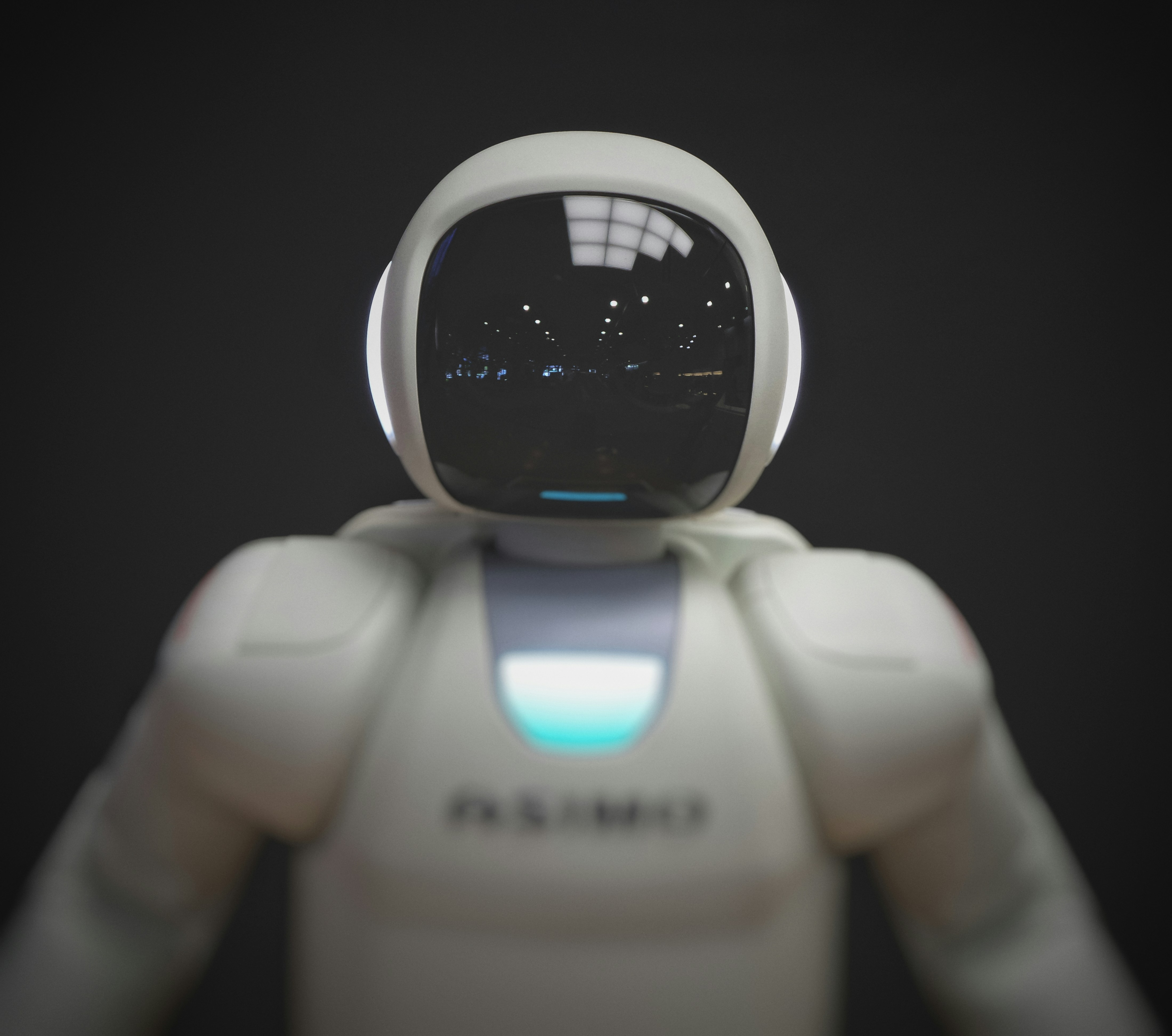
### Are We About to Pop the Humanoid Robot Bubble?
It’s impossible to scroll through a tech feed today without seeing it: a bipedal robot carefully folding a shirt, another making a cup of coffee, or a whole line of them marching with an eerie, sci-fi synchronicity. Companies like Tesla, Figure AI, Sanctuary AI, and the stalwart Boston Dynamics are dominating headlines with jaw-dropping demos and even more jaw-dropping valuations.
Figure AI recently secured a staggering $675 million in funding from a who’s who of tech royalty, including Jeff Bezos, Microsoft, Nvidia, and OpenAI, rocketing its valuation to $2.6 billion. Tesla’s Optimus is a constant feature in Elon Musk’s presentations, promising a future where robots handle all the “boring, repetitive, and dangerous” tasks. The hype is palpable. The investment is pouring in.
But with every surge of technological optimism comes the inevitable, whispered question: Is this a bubble? And more importantly, is it about to pop?
#### The Telltale Signs of a Bubble
The arguments for a humanoid robot bubble are compelling and grounded in historical tech cycles.
First, there’s the massive gap between demonstration and deployment. The carefully choreographed videos we see are often the result of countless hours of programming in highly controlled environments. A robot making coffee in a lab is one thing; a robot navigating the chaotic, unpredictable floor of a real-world factory or warehouse is another beast entirely. The “last 1%” of the problem—dealing with unexpected obstacles, variable lighting, and human unpredictability—is often 99% of the work.
Second, the valuations seem to be outpacing the current utility. While the long-term potential is immense, very few of these humanoid robots are currently generating significant revenue. The investment is almost purely speculative, a bet on a future that could still be a decade or more away. This is classic bubble behavior: investing in the promise, not the present-day product.
Finally, the engineering challenges remain monumental. Battery life is a critical bottleneck. How long can a human-sized robot perform intensive labor before needing a multi-hour recharge? Dexterity is another massive hurdle. The human hand is a miracle of engineering, and replicating its ability to manipulate a vast range of objects with appropriate force and sensitivity is a problem we have yet to crack at scale and low cost.
#### Why This Time Might Be Different
On the other hand, dismissing this as pure hype would be a mistake. Several fundamental shifts suggest this isn’t just a repeat of past AI booms and busts.
The biggest game-changer is the recent revolution in artificial intelligence. The rise of large language models (LLMs) and advanced vision-language models is providing the “brain” these robotic “bodies” have always lacked. Instead of being programmed for a single, rigid task, robots can now be given natural language commands. As OpenAI’s Brett Adcock put it, their partnership with Figure aims to “develop next-generation AI models for humanoid robots,” allowing them to process language and visual data to reason and act. This is the key to unlocking general-purpose utility.
Furthermore, there is a clear and pressing economic need. Labor shortages in manufacturing, logistics, and elder care are becoming critical issues in developed nations. Unlike some blockchain or metaverse concepts that felt like solutions in search of a problem, humanoid robots address a tangible, real-world demand. Companies like Amazon and BMW aren’t just investing; they’re actively testing these robots in their facilities, driven by a need to fill labor gaps and improve efficiency.
Finally, the hardware itself is maturing. Decades of work in fields like motor technology, sensor development, and materials science are converging. While not fully solved, the components needed to build a viable humanoid robot are cheaper and more effective than ever before.
#### A Correction, Not a Catastrophe
So, are we in a bubble? Yes, probably. The level of hype and the sky-high valuations for pre-revenue companies are difficult to justify with the current state of the technology. A correction is almost inevitable. Some companies will fail, promises will be scaled back, and timelines will be extended. Investor enthusiasm may cool as the harsh realities of deployment set in.
But a pop doesn’t necessarily mean the end. It’s more likely to be a culling of the herd. The dot-com bubble popped, but it didn’t kill the internet; it cleared the way for giants like Google and Amazon to rise from the ashes of overhyped failures like Pets.com.
We are likely to see a similar pattern here. The companies with the most robust technology, the clearest real-world use cases, and the strongest strategic partnerships will survive the coming correction. The era of the humanoid robot isn’t a mirage. It’s just that the road from a viral demo video to a productive member of the workforce is much longer and bumpier than the current hype cycle would have you believe. The bubble may deflate, but the foundation being built today is very, very real.