
The last-ever penny will be minted today in Philadelphia
The last-ever penny will be minted today in Philadelphia
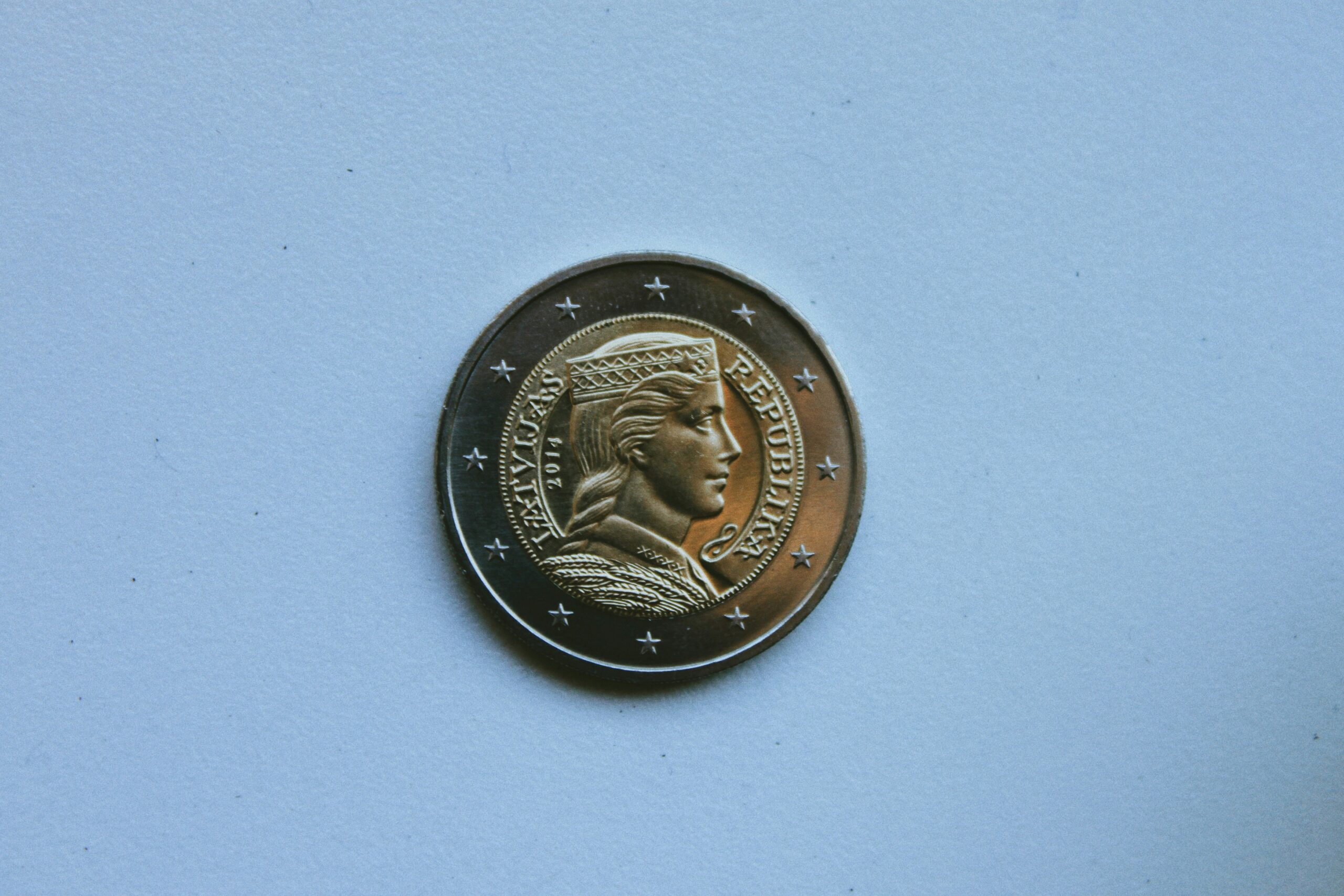
### The End of an Era: Philadelphia Mints the Last-Ever Penny
Today, in the quiet, rhythmic hum of the Philadelphia Mint, a small but profound piece of American history was made. The final one-cent coin—the last-ever penny—rolled off the press, its fresh copper sheen a final, gleaming farewell to an icon of American currency. For over two centuries, the penny has been a fixture in our pockets, our jars, and our national identity. As of today, its production has officially ceased.
The decision, which has been debated for decades, was not made lightly. Proponents of the penny’s retirement have long pointed to simple economics: it costs the U.S. Mint more to produce a penny than its face value. In recent years, the cost to mint a single cent has hovered around two cents, a losing proposition funded by taxpayers. Economists have argued that the time spent by consumers and cashiers fumbling for the tiny coins represents a significant, hidden drain on productivity, a collective loss of millions of hours a year.
Furthermore, the penny’s purchasing power has eroded to almost nothing. What could once buy a piece of candy or a newspaper is now seen by many as little more than pocket lint. Countries like Canada, Australia, and New Zealand have already successfully phased out their lowest-denomination coins, with their economies adapting seamlessly through a simple system of rounding cash transactions to the nearest five cents. Electronic payments, of course, would remain unaffected.
Yet, the end of the penny is not without its mourners. For many, the coin is a symbol of thrift and a tangible piece of history. Who among us hasn’t stooped to pick up a “lucky penny”? The phrase “a penny for your thoughts” is woven into our language, and charities have long relied on donation jars filled with the humble copper coins. There is a deep-seated nostalgia for the Lincoln-faced coin, a feeling that we are losing a small part of our shared American experience.
Opponents of the move also raised concerns about a “rounding tax,” fearing that businesses would universally round prices up, disproportionately affecting low-income individuals who are more likely to use cash for daily transactions. While studies from other countries have shown this fear to be largely unfounded—with rounding up and down typically balancing out—the concern speaks to the penny’s symbolic role as a protector of precise, fair pricing.
So what happens now? The millions of pennies already in circulation will remain legal tender, though they will gradually disappear from our daily lives, hoarded by collectors or slowly returned to banks. Cash transactions will now be rounded to the nearest nickel. A bill of $5.72 will become $5.70, while a bill of $5.73 will round up to $5.75.
As that last, perfect penny cools in Philadelphia, it marks more than just the end of a coin. It represents a nation’s practical, if reluctant, step into a future where nostalgia gives way to economic efficiency. So check your pockets and your car’s cup holders. That little piece of copper is no longer just a cent—it’s an artifact.